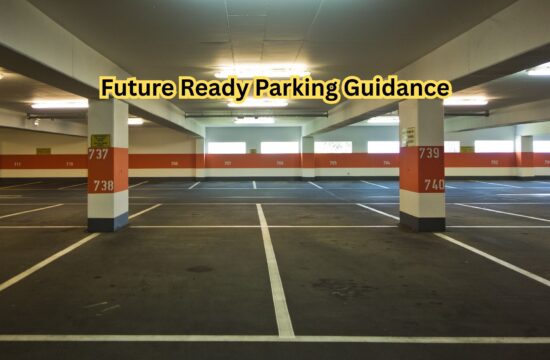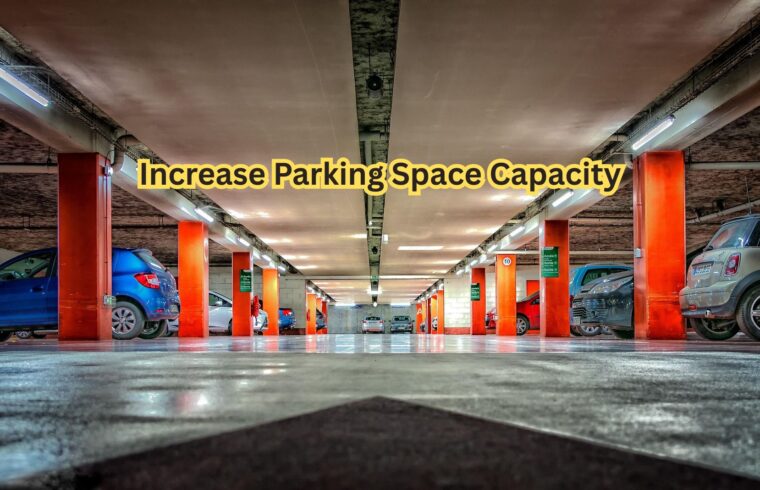
One of the best methods to boost capacity without adding more physical space is to optimize the current parking layout. More cars can be accommodated by changing slot dimensions, enhancing markers, and removing unneeded spots. Compact parking spots and angled parking can also help optimize efficiency while preserving easy traffic flow and guaranteeing driver convenience. Increase Parking Space Capacity can be achieved effectively through smart design adjustments and better space utilization. By focusing on layout improvements, property managers can Increase Parking Space Capacity without major investments. Overall, the right planning strategies will help Increase Parking Space Capacity while maintaining safety and accessibility.
Implement Smart Parking Systems
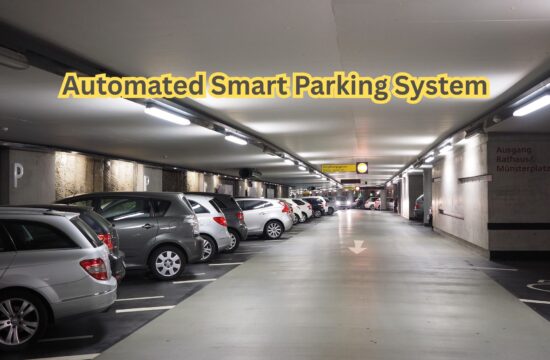
Smart parking systems use sensors, cameras, and smartphone apps to track and control spot usage in real time. By directing drivers to open spaces, these systems lessen traffic and save time. Property managers can improve overall parking efficiency and capacity utilization by identifying peak hours and modifying allocations through the analysis of usage data.
Introduce Multi-Level Parking
For locations with limited land availability, building multi-level parking garages is a workable solution. Vertical growth allows operators to park more cars in the same area. In crowded urban or commercial areas, multi-level parking greatly expands capacity while preserving orderly vehicle management, whether they use automated systems or conventional ramps.
Use Automated Parking Solutions
Large driving lanes and ramps are no longer necessary thanks to automated parking systems, which enable more vehicles to fit in a smaller space. Mechanical devices park cars, minimizing human error and conserving space.In high-density locations where land is costly and capacity maximization is crucial, these systems are perfect.
Enforce Better Parking Policies
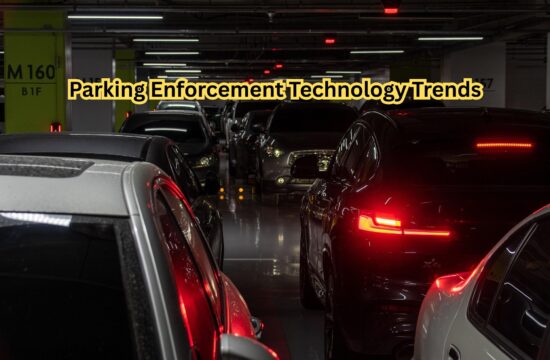
Strict parking regulations and time constraints guarantee that users utilize spaces effectively. Authorities prevent misuse by enforcing rules such as prohibiting long-term parking, assigning specified zones, and issuing fines for infractions. Maintaining availability, minimizing crowding, and ensuring equitable parking space allocation among users are all made possible by effective enforcement.
Promote Alternative Transportation
Promoting walking, bicycling, carpooling, and public transportation decreases the demand for parking spaces. Offering rewards like exclusive carpool sites or subsidized transit passes might affect behavior. Reduced demand inevitably boosts capacity and promotes sustainable urban growth.
Monitor and Improve Continuously
Authorities regularly monitor and evaluate parking utilization to identify inefficiencies and areas for improvement.Property managers can make well-informed judgments to modify layouts, rules, or technologies by using data analytics. Constant improvement keeps parking systems effective and flexible over time.