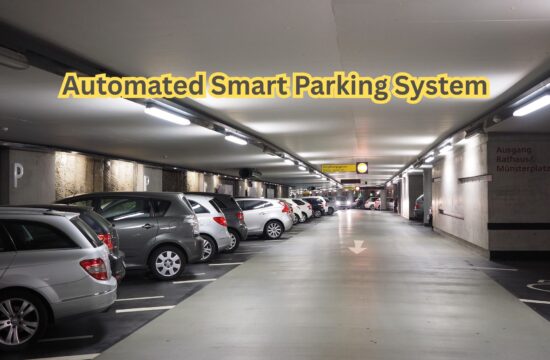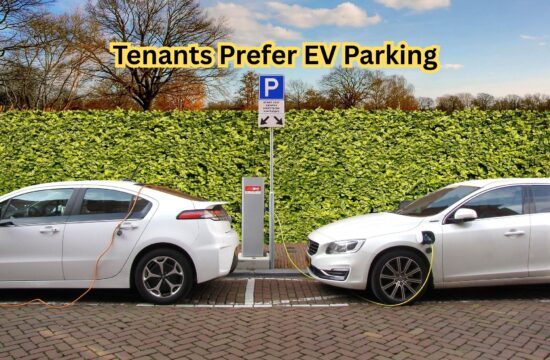
Parking Enforcement Technology Trends are transforming how cities manage vehicles, improve compliance, and enhance user experience. With rapid urbanization, traditional systems are becoming outdated. Parking Enforcement Technology Trends now focus on automation, real-time tracking, and seamless integration. These advancements help authorities reduce violations, increase revenue, and create smarter ecosystems. Parking Enforcement Technology Trends continue shaping efficient parking for operators and drivers today.
Rise of Automated Enforcement Systems
In parking management, automated enforcement technologies are emerging as a major trend. These systems identify infractions without the need for human intervention by using sensors, cameras, and artificial intelligence. They increase productivity and lessen human error. Automation is a popular solution for today’s parking issues since it speeds up enforcement procedures, improves compliance rates, and lowers operating expenses.
Integration of Artificial Intelligence
Parking enforcement technology advancements are heavily influenced by artificial intelligence. AI-driven technologies examine parking trends, forecast demand, and identify anomalous activity. This facilitates better resource allocation and aggressive enforcement. Parking operators can maximize space utilization, reduce traffic, and offer more intelligent solutions that improve customer satisfaction and enforcement accuracy by utilizing AI.
Use of License Plate Recognition
Parking enforcement is being revolutionized by license plate recognition technology. It enables automated scanning and verification of cars coming into and going out of parking lots. This lessens reliance on paper tickets and manual inspections. In addition to facilitating smooth operations and improved enforcement, LPR systems also improve the entire user experience for drivers by increasing accuracy, speed, and security.
Mobile-Based Enforcement Solutions
Parking authorities are increasingly using mobile-based enforcement techniques. Officers can monitor infractions, issue fines, and update records in real time using cellphones or other portable devices. This improves operational efficiency and flexibility. Additionally, mobile solutions enable rapid data access, which improves enforcement’s responsiveness and guarantees accurate reporting and efficient system-to-system communication.
Contactless and Digital Payments
Parking enforcement systems are increasingly using contactless payment methods. Cash transactions are no longer necessary thanks to digital payments made via apps, QR codes, and online platforms. This lessens the administrative burden and increases user convenience. Additionally, it guarantees quicker processing, precise invoicing, and increased transparency, all of which contribute to a more seamless and effective parking experience.
Smart City Integration
Smart city projects and parking enforcement technology advancements are closely related. Urban planning platforms, public transportation, and traffic control are all integrated with contemporary systems. Improved coordination and effective city operations are made possible by this connectivity. Through sophisticated parking enforcement techniques, smart integration contributes to improved mobility, less traffic, and a more orderly urban environment.
Future of Parking Enforcement Technology
With ongoing innovation, parking enforcement technology trends appear to have a bright future. It is anticipated that new technologies like blockchain, IoT, and machine learning will improve systems even more. These developments will increase efficiency, automation, and transparency. Parking enforcement will become more sophisticated, user-friendly, and smoothly incorporated into everyday urban life as cities develop.